各位作者、审稿专家:
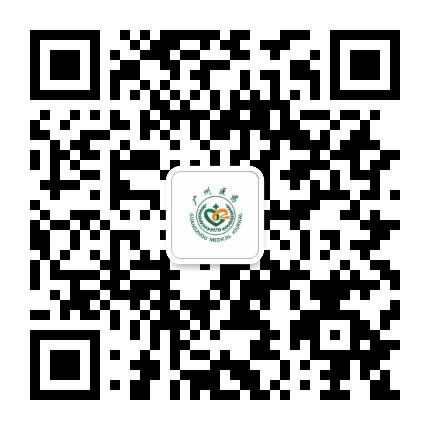
本刊官方微信服务号新增稿件状态查询服务,无需反复登录投稿系统,微信即可随时查看审稿进度、修回通知、录用结果,稿件更新实时推送提醒,同步接收期刊征稿、学术资讯。
微信搜索关注广州医药杂志服务号 → 点击菜单栏「绑定账号」→ 输入投稿邮箱完成账号关联;请关闭微信消息免打扰,避免遗漏稿件通知。
《广州医药》编辑部
目的 运用数据挖掘、网络药理学和分子对接的方法,探讨中药复方治疗中枢性性早熟(CPP)的用药规律和作用机制,为其临床治疗提供更多依据。方法 在中国知网(CNKI)、万方数据(Wanfang)、维普中文期刊(VIP)等数据库中检索从建库至2022年10月发表的中药复方治疗CPP的文献,用Excel 2021 收集整理临床治疗CPP的常用中药复方,并通过Excel 2021、SPSS Modeler 18.0、SPSS Statistics 25.0等软件对其进行频次、关联规律等分析,研究CPP治疗的用药规律。在上述基础上采用网络药理学的研究方法,筛选出高频药对的活性成分、作用靶点以及疾病的相关靶点,构建蛋白互作网络,并通过基因本体和京都基因 基因组百科全书通路富集分析来阐明药物的作用机制。最后运用 Autodock Vina 软件进行分子对接对结果验证。结果 共筛选出224篇文献,包含方剂133首,中药188味。发现18味使用超过25次的高频药物;清热类、补虚类的药物应用较多;药物性味以寒及苦为主;归经之中以肝经占比最高;进一步关联分析得到高频药对14个;核心处方4个。网络药理学结果显示,共得到44个活性成分、200个药物靶点、1 287个疾病靶点、70个共有靶点、573条GO富集条目及136条KEGG通路,药物主要成分槲皮素、山奈酚、β-谷甾醇作用于雌激素受体、黄体酮受体等核心靶点,通过内分泌抵抗、雌激素等信号通路发挥治疗作用。分子对接结果显示药物主要活性成分与相应核心靶点具有较好的结合能力。结论 中药复方治疗CPP多为滋阴清热、补虚类药物,与药性寒,药味苦、甘,归肝、肾经的药物配伍使用。其中高频药对“知母-黄柏”通过多成分、多靶点调控内分泌抵抗、雌激素信号通路发挥治疗作用。
Objective To explore the prescription rules and mechanism of traditional Chinese medicine(TCM) in the treatment of central precocious puberty(CPP)by using data mining,network pharmacology and molecular docking,so as to provide more evidence for clinical treatment.Methods Using the literature on the treatment of CPP with TCM compounds,which was retrieved from the databases of CNKI,Wanfang,VIP and other databases from the establishment of the database to October 2022 as the data sources.Excel 2021 was used to collect and summarize the commonly used TCM prescriptions for CPP,and conducted frequency analysis and association rules analysis of CPP by Excel 2021,SPSS Modeler 18.0,SPSS Statistics 25.0 and other software,so as to study the composition rule of prescriptions for CPP.On the basis of these results,network pharmacology method was used to screen out the active ingredients and action targets of high-frequency drugs,and then screen out the disease related targets to construct PPI network.Mechanism of drugs was clarified through GO and KEGG pathway enrichment analysis.Finally,the molecular docking of autodock Vina(Vina)platform was used to verify the results.Results A total of 244 documents met the search criteria,including 133 prescriptions and 188 traditional Chinese medicines.It had been found that 18 high-frequency Chinese medicines were used more than 25 times.The drugs mainly focused on clearing heat and supplementing deficiency.The medicinal flavors were mainly cold and bitter,which belonged to the liver channel.Further correlation analysis yielded 14 high-frequency drug pairs and 4 core prescriptions.The results of network pharmacological analysis showed that 44 active components,200 drug targets,1 287 disease corresponding targets,70 common targets,573 GO enrichment entries and 136 KEGG pathways targets were obtained.It has been found that the main components of the drugs,such as quercetin,kaempferol and β-sitosterol,act on the core targets of ESR1,PGR and play a therapeutic role through endocrine resistance and estrogen signaling pathways.Finally,molecular docking results showed that the main active ingredients of the drug had good binding ability with the corresponding core targets.Conclusions In the treatment of CPP,traditional Chinese medicine is mainly used types of nourish Yin,clear heat and replenish deficiency,which is compatible with the drugs with cold properties,bitter and pliant taste,and the liver and spleen channels.Among them,high-frequency drug pair “ZhiMu-HuangBai” play a therapeutic role in the regulation of endocrine resistance and estrogen signaling pathways through multi-components and multi-targets.
目的 基于网络药理学方法预测银杏叶治疗心肌缺血的潜在靶点及信号通路。方法 利用 TCMSP 平台筛选生物利用度(OB)≥ 30% 和类药性(DL)≥ 0.18 的活性成分及作用靶点。利用GeneCards和OMIM数据库检索心肌缺血疾病相关靶点,并提取药物成分和心肌缺血疾病的共有靶点作为关键靶点。通过在线TRING平台构建PPI网络,并采用Cytoscape 软件构建可视化的“化合物-靶点-通路”网络,进一步进行GO 功能富集分析和KEGG通路富集分析。结果 筛选得到 27种潜在的药效成分,2 164个化合物靶点,531个心肌缺血相关靶基因。两者取交集后获得疾病-类药活性成分40个共同靶点,PPI 蛋白互作网络自由度较高的节点依次为:IL6、VEGFA、CASP3、MAPK8、MYC、NOS3。GO 功能富集分析得到42个 GO 条目,KEGG 通路富集分析得到42条信号通路。结论 银杏叶治疗心肌缺血主要GO 能力富集在半胱氨酸肽链内切酶活性,内肽酶活力,激活转录因子结合,DNA结合转录激活剂活性,RNA聚合酶II特异性等功能,调控TNF信号通路,糖尿病并发症的年龄愤怒信号, 细胞凋亡,PI3K-Akt信号通路等信号,进一步达到对心肌缺血疾病的治疗。
Objective To predict the potential targets and signal pathways of ginkgo leaf in the treatment of myocardial ischemia based on network pharmacology. Methods The active components and targets of bioavailability (OB) ≥ 30% and drug-like (DL) ≥ 0.18 were screened by TCMSP platform.The related targets of myocardial ischemic diseases were searched by GeneCards and OMIM database, the components and the common targets of myocardial ischemic diseases were extracted as the key targets. To build the PPI network through the online STRING platform, a visual “compound-target-pathway” network was constructed to further analyze the functional enrichment of GO and the enrichment of KEGG pathway. Results 27 potential active components, 2 164 compound targets and 531 myocardial ischemia related target genes were screened. After the intersection of the two, 40 common targets of disease-class active components were obtained. The nodes with higher degree of freedom of PPI protein interaction network were IL6、VEGFA、CASP3、MAPK8、MYC and NOS3.42 entries were obtained by GO functional enrichment analysis and 42 signal pathways were obtained by KEGG pathway enrichment analysis. Conclusion Ginkgo leaf may be a target of cysteine-type endopeptidase activity,endopeptidase activity,activating transcription factor binding,DNA-binding transcription activator activity, RNA polymerase II-specific function. TNF signaling pathway, AGE-RAGE signaling pathway in diabetic complications, apoptosis, PI3K-Akt signaling pathway were regualted to achieve the treatment of myocardial ischemia disease.
目的 运用网络药理学方法预测生白术活性成分、作用靶点及生物学意义,探讨其防治便秘的作用机制,并结合导师临床应用取得的疗效进行进一步的验证。方法 借助TCMSP在线数据库查找白术的药效成份并选择其生物利用度(OB)>30%且类药性(DL)>0.18的化合物,并查询每种成分所对应的靶标。通过Gene Cards、OMIM共2个疾病相关靶点的数据库检索便秘相关靶点信息。将二者靶基因相映射获得交集靶点。借助 cytoscape 3.7.1 软件对查询结果进行可视化。所得到的基因通过相互作用数据库(STRING)进行相互作用蛋白查询并构建蛋白质相互作用(PPI)网络。使用R语言对关键靶点行GO和KEGG富集分析,以构建“成分-靶点-信号通路”的网络。结果 共得到白术人源靶蛋白7个,便秘相关的人源基因2 859个。发现其主要通过干预PGR、CHRM3、CHRM1、ACHE、CHRM2五个基因并参与胆碱能突触、钙信号通路、肌动蛋白细胞骨架的调控、神经活性配体-受体相互作用、cAMP信号通路、PI3K-AKT信号通路共6条信号通路以达到防治便秘的效果。结论 应用网络药理学方法分析预测得到重用生白术防治便秘的潜在药效成分、作用靶点及其信号通路,为临床应用提供了理论依据。
Objective To predict the active ingredients, targets and biological significance of Atractylodes macrocephala by network pharmacology, to explore the mechanism of its prevention and treatment of constipation, and to further verify its efficacy in combination with the clinical application of tutors. Methods The constituents of Atractylodes macrocephala were searched by TCMSP database and the compounds with bioavailability (OB) > 30% and drug-like property (DL) > 0.18 were screened, and the corresponding targets of each constituent were queried. Constipation-related target information was retrieved from two disease-related target databases of GeneCards and OMIM, mapping the two target genes to obtain intersecting targets, by visualization of query results with cytoscape 3.7.1. The resulting genes were queried by the interaction database (STRING) and the protein interaction (PPI) network was constructed. GO and KEGG enrichment analysis of key targets was carried out by R language in order to construct the network of “component-target-signal pathway”. Results Seven human target proteins and 2 859 constipation related human genes were obtained from Atractylodes macrocephala. It was found that the effect of prevention and treatment of constipation was mainly achieved by interfering with five genes of PGR, CHRM3, CHRM1, ACHE and CHRM2 and participating in six signaling pathways: cholinergic synapse, calcium signaling pathway, regulation of actin cytoskeleton, neuroactive ligand-receptor interaction, cAMP signaling pathway and PI3K-AKT signaling pathway. Conclusion The potential pharmacodynamic components, targets and signaling pathways of reuse Rhizoma atractylodis macrocephalae in the prevention and treatment of constipation can be predicted by network pharmacological method, which provides a theoretical basis for clinical application.
目的 采用网络药理学方法与分子对接技术分析白头翁汤治疗细菌性痢疾(BD)的潜在活性成分与作用机制。方法 借助中药系统药理学数据库与分析平台(TCMSP)及PubChem数据库检索筛选白头翁汤方的化学成分和作用靶点,通过Uniprot数据库校正基因名,同时通过比较毒物基因组学数据库(CTD)、药物靶标数据库(TTD)、GeneCards数据库和药物和药物靶标数据库(DRUGBANK)获得BD相关疾病靶点。经在线绘图平台微生信分析“活性成分-疾病”交集靶点,使用Cyoscape 3.7.2软件构建可视化的中药-活性成分-靶点网络、蛋白质互作网络,筛选潜在的关键活性成分与核心靶点;通过Metascape数据库对进行靶点的基因本体(GO)功能分析和京都百科全书基因和基因组通路数据库(KEGG)通路富集分析,同时使用Cyoscape 3.7.2软件构建基因-通路网络,筛选潜在的通路及其作用机制。同时采用分子对接技术对白头翁汤中关键活性成分和BD核心靶点进行分析。结果 白头翁汤共筛选出266个潜在活性成分,其中,槲皮素、β-谷甾醇、异鼠李素、异延胡索单酚碱、小檗红碱、豆甾醇等66个关键活性成分可通过肿瘤坏死因子(TNF)、白细胞介素-6(IL-6)、前列腺素内过氧化物合酶2(PTGS2)、丝氨酸/苏氨酸蛋白激酶1(AKT1)、血管内皮生长因子A(VEGFA)、V-rel网状内皮细胞病毒癌基因同源物A(RELA)、半胱氨酸天冬氨酸蛋白酶3(CASP3)、白细胞介素-8(CXCL8)、白细胞介素-1B(IL-1B)、丝裂原活化蛋白激酶1(MAPK1)、白细胞介素-10(IL-10)等33个潜在交集靶点作用于BD。GO基因功能分析共得到生物过程(BP)条目20个、细胞组成(CC)条目6个、分子功能(MF)条目9个(P<0.01),主要涉及外部凋亡过程、细胞迁移正向调控、细胞因子受体结合、蛋白同源二聚活性、TNF受体超家族结合等生物进程。KEGG通路富集分析确定13条信号通路(P<0.01),主要涉及癌症信号通路、白细胞介素-17(IL-17)信号通路等关键通路。分子对接结果显示槲皮素、β-谷甾醇、异鼠李素、异延胡索单酚碱等核心活性成分与TNF、IL-6、PTGS2核心靶点具有良好的结合效应(结合能<-5 kJ/mol)。结论 白头翁汤主要通过槲皮素、β-谷甾醇等潜在的多种活性成分作用于TNF、IL-6、IL-1B、PTGS2、AKT1、VEGFA等潜在的关键靶点调控IL-17等信号通路,从而发挥治疗细菌性痢疾的作用,符合中药复方多成分、多靶标、多途径起效的显著特征。
Objective To analyze the potential active ingredients and mechanism of Baitouweng Decoction in the treatment of bacillary dysentery(BD)by means of network pharmacology and molecular docking technology.Methods With the help of the Traditional Chinese Medicine Systems Pharmacology Database and Analysis Platform(Traditional Chinese Medicine Systems Pharmacology Database,TCMSP)and PubChem database to search and screen the chemical composition and target of Baitouweng Decoction,the gene name was corrected through the Uniprot database,and the CTD database,TTD database,GeneCards database and DRUGBANK database obtain BD-related disease targets.The intersection target was obtained through the online drawing platform,and Cytoscape 3.7.2 was used to construct a network of Pulsatilla active ingredient-component disease intersection target.The protein-protein interaction analysis of the intersection target was performed through the String database,and the Cytoscape 3.7.2 software was used for visualization.The Metascape database platform performed GO function analysis and KEGG pathway enrichment analysis on the target to predict its mechanism of action.The key active ingredient compounds in Baitouweng Decoction were molecularly docked with the core protein in the intersection target.Results A total of 266 potential active ingredients in Baitouweng Decoction were screened,of which 66 key active ingredients such as quercetin,β-sitosterol,isorhamnetin,Isocorypalmine,berberine,stigmasterol,etc.It acts on BD through 33 potential intersection targets such as TNF,IL-6,PTGS2,AKT1,VEGFA,RELA,CASP3,CXCL8,IL-1B,MAPK1,IL-10.GO gene function analysis yielded a total of 20 biological process(BP)entries,6 cell composition(CC)entries,and 9 molecular function(MF)entries(P<0.01),which mainly involve external apoptosis process and positive regulation of cell migration,Cytokine receptor binding,protein homodimerization activity,tumor necrosis factor receptor superfamily binding and other biological processes.KEGG pathway enrichment analysis identified 13 signal pathways(P<0.01),mainly related to key pathways such as cancer signal pathway and IL-17 signal pathway.The results of molecular docking showed that the core active ingredients such as quercetin,β-sitosterol,isorhamnetin,Isocorypalmine and TNF,IL-6,PTGS2 core targets have good binding effects(binding energy <-5 KJ /mol).Conclusions Baitouweng Decoction modulated signaling pathways involving IL-17 through its active constituents like quercetin and β-sitosterol,targeting key molecules such as TNF,IL-6,IL-1β,PTGS2,AKT1,and VEGFA,reflecting the multi-target therapeutic approach of traditional Chinese medicine.