各位作者、审稿专家:
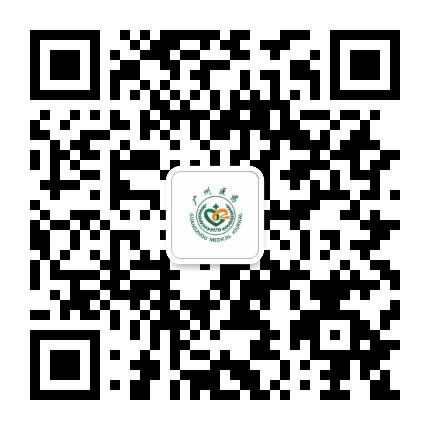
本刊官方微信服务号新增稿件状态查询服务,无需反复登录投稿系统,微信即可随时查看审稿进度、修回通知、录用结果,稿件更新实时推送提醒,同步接收期刊征稿、学术资讯。
微信搜索关注广州医药杂志服务号 → 点击菜单栏「绑定账号」→ 输入投稿邮箱完成账号关联;请关闭微信消息免打扰,避免遗漏稿件通知。
《广州医药》编辑部
目的 探讨重复经颅磁刺激应用于帕金森病失眠患者中的效果及对睡眠质量的影响。方法 选取2021年1月—2022年3月南阳南石医院神经内科收治的帕金森病失眠患者100例,按照随机数字表法均分为参照组(n=50)和研究组(n=50),参照组采用常规西药治疗,研究组在参照组基础上采用重复经颅磁刺激治疗,对比两组治疗效果、神经递质指标水平、帕金森症状表现及睡眠质量评分的差异。结果 研究组治疗总有效率98.00%(49/50)高于参照组82.00%(41/50),对比差异有统计学意义(P<0.05)。治疗后,研究组神经递质多巴胺及5-羟色胺水平分别为(6.84±0.62)、(22.75±0.59),均高于参照组,对比差异均有统计学意义(P<0.05)。治疗后,研究组帕金森病症状表现及睡眠质量总评分均低于参照组,对比差异均有统计学意义(P<0.05)。结论 重复经颅磁刺激应用到帕金森病失眠患者的治疗中,能提升疗效,明显改善患者睡眠质量和帕金森病症状。
Objective To investigate the effect of repetitive transcranial magnetic stimulation(rTMS)on Parkinson's insomnia and its influence on sleep quality.Methods A total of 100 Parkinson's patients with insomnia admitted to the Department of Neurology,Nanyang Nanshi Hospital from January 2021 to March 2022 were selected and divided into the reference group(n=50)and the study group(n=50)according to random number table method.The reference group was treated with conventional western medicine,and the study group was treated with rTMS on the basis of the reference group.The levels of neurotransmitters,symptoms of Parkinson's disease and sleep quality were compared.Results The effective rate of the study group was 98.00%(49/50),which was higher than 82.00%(41/50)of the reference group,with statistical significance(P<0.05).After treatment,the levels of dopamine and 5-hydroxytryptamine in the study group,(6.84±0.62)and(22.75±0.59),were higher than those in the reference group,and the comparison was statistically significant(P<0.05).After treatment,the total score of Parkinson's symptom and sleep quality in the study group were lower than those in the reference group,with statistical significance(P<0.05).Conclusions The application of rTMS in the treatment of Parkinson's patients with insomnia can improve the curative effect,significantly improve the sleep quality and symptoms of Parkinson's disease,and is worthy of further application and promotion.
目的 探讨超低频经颅磁刺激(ILF-TMS)联合艾司唑仑对失眠症患者睡眠脑电图参数及血清神经营养因子表达的影响。方法 选取2018年8月—2020年4月我院失眠症患者114例,随机数字表法分为研究组(n=57)、对照组(n=57)。对照组予以艾司唑仑联合ILF-TMS假性刺激,研究组予以艾司唑仑联合ILF-TMS真性刺激,均治疗1个月。对比2组疗效与治疗前、治疗1个月后睡眠进程参数(总睡眠时间、入睡时间、睡眠效率、觉醒时间)、睡眠结构(非快速眼动睡眠期、快速动眼睡眠期)、匹兹堡睡眠质量量表(PSQI)评分、失眠严重程度指数量表(ISI)评分、焦虑自评量表(SAS)评分、抑郁自评量表(SDS)评分、血清神经营养因子[胶质细胞源性神经营养因子(GDNF)、脑源性神经营养因子(BDNF)]水平。结果 (1)疗效:研究组治疗1个月后总有效率高于对照组(P<0.05);(2)睡眠进程参数:治疗1个月后研究组总睡眠时间、睡眠效率高于对照组,入睡时间、觉醒时间短于对照组(P<0.05);(3)睡眠结构:治疗1个月后研究组Ⅲ期、Ⅱ期、非快速眼动睡眠期高于对照组,Ⅰ期睡眠期低于对照组(P<0.05);(4)PSQI、ISI评分:治疗1个月后研究组PSQI、ISI评分低于对照组(P<0.05);(5)SAS、SDS评分:治疗1个月后研究组SAS、SDS评分低于对照组(P<0.05);(6)血清神经营养因子:治疗1个月后研究组血清GDNF、BDNF水平高于对照组(P<0.05)。结论 ILF-TMS联合艾司唑仑治疗失眠症效果确切,可上调血清神经营养因子表达,改善睡眠脑电图参数,提高睡眠质量,控制焦虑、抑郁症状。
Objective To investigate the effects of infra-low frequency transcranial magnetic stimulation (ILF-TMS) combined with estazolam on sleep EEG parameters and serum neurotrophic factors expression in patients with insomnia. Methods One hundred and fourteen patients with insomnia in our hospital from August 2018 to April 2020 were divided into study group (n=57) and control group (n=57) by random number table method. The control group was treated with estazolam combined with pseudo ILF-TMS stimulation, and the study group was treated with estazolam combined with real ILF-TMS stimulation, all of which were treated for 1 month. Comparing curative effect of two groups before and 1 month after treatment, and sleep process parameters (total sleep time, falling asleep time, sleep efficiency, waking time), the structure of the sleep stages (stage Ⅲ, Ⅱ, Ⅰ, rapid eye movement sleep), Pittsburgh sleep quality index (PSQI), insomnia severity index (ISI), self-rating anxiety scale (SAS) score, self-rating depression scale (SDS) score, serum neurotrophic factors (GDNF, BDNF) levels. Results (1) Efficacy: the total effective rate of the study group was higher than that of the control group after 1 month of treatment (P<0.05). (2) Sleep process parameters: after 1 month of treatment, the total sleep time and sleep efficiency in the study group were higher than those in the control group, and the falling asleep time and waking time were shorter than those in the control group (P<0.05). (3) Sleep structure: after 1 month of treatment, compared to the control group, the study group had more in stageⅢ, Ⅱ, rapid eye movement sleep, and less in stage Ⅰsleep(P<0.05). (4) PSQI and ISI scores: after 1 month of treatment, PSQI and ISI scores of the study group were lower than those of the control group (P<0.05). (5) SAS and SDS scores: after 1 month of treatment, SAS and SDS scores in the study group were lower than those in the control group (P<0.05). (6) Serum neurotrophic factors: after 1 month of treatment, serum GDNF and BDNF levels in the study group were higher than those in the control group (P<0.05). Conclusions ILF-TMS combined with estazolam is an effective treatment of insomnia. It can up-regulate the expression of serum neurotrophic factors, improve the parameters of sleep EEG, improve sleep quality, and control the symptoms of anxiety and depression.
目的 观察电针联合重复经颅磁刺激(rTMS)治疗对卒中后抑郁伴失眠患者的疗效并探讨这种联合治疗的机制。方法 对83例PSD患者随机分为rTMS组28例、电针联合rTMS治疗组25例及药物治疗组30例。电针联合rTMS组在对患者进行rTMS治疗基础上予电针治疗2周,并常规给予选择性五羟色胺重摄取抑制剂(SSRI)草酸艾司西酞普兰抗抑郁药物治疗;rTMS组仅采用重复经颅磁刺激治疗2周;药物组给予同种抗抑郁剂治疗。三组于治疗前及治疗2周后接受17项汉密尔顿抑郁量表(HAMD)和匹茨堡睡眠量表(PSQI)评估及多导睡眠监测(PSG)。结果 三组的HAMD评分、PSQI评分及睡眠参数在治疗基线水平均无明显差异。2周后不同治疗组间HAMD计分降低值总体差异有统计学意义(P<0.001)。药物治疗组HAMD计分降低值小于rTMS组和电针联合rTMS组(P<0.05),电针联合rTMS组HAMD计分降低值大于药物组及rTMS组(P<0.05);组间PSQI计分降低值总体差异有统计学意义 (P<0.05)。电针联合rTMS组PSQI计分降低值大于药物组及rTMS组(P<0.05),而药物组及rTMS组之间的PSQI计分降低值无统计学差异(P<0.05);组间PSG中总睡眠时间(F=16.735,P<0.001)及睡眠效率(F=87.548,P<0.001)治疗前后差值总体差异有统计学意义。电针联合rTMS组总睡眠时间的改善优于药物组及rTMS组(P<0.01),而药物组及rTMS组之间总睡眠时间的改善无统计学差异(P<0.05);电针联合rTMS组睡眠效率的提高优于药物组及rTMS组(P<0.001),而药物组及rTMS组之间的睡眠效率的提高无统计学差异(P>0.05)。结论 电针联合rTMS治疗可显著改善PSD的抑郁情绪、睡眠质量及改善总睡眠时间及睡眠效率,效果优于药物治疗组及rTMS组,体现了电针联合rTMS对PSD治疗的增效作用。
Objective To investigate the effect of electric acupuncture combined with Repetitive Transcranial Magnetic Stimulation (rTMS) treatment of poststroke depression with insomnia and analyze the therapeutic mechanism of this method. Methods 83 patients with PSD were randomly divided into the group of electric acupuncture combined with rTMS (n=32), rTMS group (n=32) and drug treatment group (n=32). The patients in the group of electric acupuncture combined with rTMS were given with the electric acupuncture treatment for 2 weeks on the basis of rTMS treatment, and also were regularly and continuously administrated with antidepressant drug (escitalopram citalopram). The rTMS group were only given with rTMS for 2 weeks, and the patients of the drug treatment group were administrated with the same antidepressant. At the baseline and 2th week, the 17-item Hamilton depression scale (17-HAMD), Pittsburgh Sleep Quality Index (PSQI) and polysomnography (PSG) were evaluated. Results The sleep parameters, PSQI scores and HAMD scores among three groups had no significant difference at baseline. After 2 weeks, the overall difference of HAMD score reduction between different treatment groups was statistically significant (P<0.001). The HAMD score reduction in the drug treatment group was less than that in the rTMS group and the electric acupuncture combined rTMS group (P<0.05), and the HAMD score reduction in the electric acupuncture combined rTMS group was greater than that in the drug group and the rTMS group (P<0.05). The overall difference of PSQI score reduction between groups was significant (P<0.05). The PSQI score reduction value of electric acupuncture combined with rTMS group was greater than that of the drug group and the rTMS group (P<0.05), while there was no significant difference in the PSQI score reduction value between the drug group and the rTMS group (P<0.05). The overall difference of total sleep duration (F=16.735,P<0.001) and sleep efficiency(F=87.548,P<0.001) evalted by PSG among groups was significant. The changes of both the total sleep duration and sleep efficiency of electric acupuncture combined with rTMS group was greater than that of the drug group and the rTMS group (P<0.001), while there was no significant difference neither in the changes of total sleep duration nor sleep efficiency between the drug group and the rTMS group before and after treatment among the groups (P>0.05). Conclusion Electroacupuncture combined with rTMS treatment may improve the efficacy of depression, sleep quality, the total sleep duration and sleep efficiency of PSD, and the effect is better than that of the drug treatment group and the rTMS group, which reflects the synergic effect of electroacupuncture combined with rTMS on PSD treatment.
目的 探讨高频经颅磁刺激治疗对 PSD 伴失眠患者的抑郁情绪及睡眠质量的疗效。方法 对63例PSD患者随机分为联合组32例(10Hz高频rTMS+艾司西酞普兰)及药物组31例(艾司西酞普兰+假刺激),每周5次,共治疗4周。于治疗前及治疗后4周末分别对两组患者进行HAMD、PSQI评分及多导睡眠监测。。结果 rTMS 治疗前,2组HAMD、PSQI评分及睡眠参数比较均无差异;治疗后第4周末,两组HAMD评分、PSQI评分、总睡眠时间、睡眠效率及快眼动睡眠期比例均较治疗前改善;研究组HAMD评分下降幅度较对照组明显,而PSQI评分下降幅度及相关睡眠参数改善无差异。结论 高频rTMS治疗对PSD的抑郁症状疗效更明显,而对睡眠质量及睡眠结构的改善则与药物治疗疗效相当。
Objective To investigate the effect of high frequency transcranial magnetic stimulation on depression and sleep quality in poststroke depression patients with insomnia. Methods 63 patients with PSD were randomly divided into observation group (n=32)and control group (n=31). Both groups were treated by 10~20 mg escitalopram citalopram for 4 weeks. The patients in observation group also accepted 10 Hz rTMS 10 times (i.e., as a course), while the patients in control group were treated by sham stimulation. At the baseline and 4th week, the 17-item Hamilton depression scale (17-HAMD), Pittsburgh Sleep Quality Index (PSQI)and polysomnography (PSG)were evaluated. Results The sleep parameters, PSQI scores and HAMD scores among two groups had no significant difference at baseline. After 4 weeks treatment, the HAMD score, PSQI score, total sleep duration, sleep efficiency and proportion of rapid eye movement sleep in both groups were improved compared with those before treatment. The descend range of HAMD score in observation group was larger than that in control group (t=2.590,P=0.012), while the descend range of PSQI scores(t=0.897,P=0.373)and the change of the sleep parameters in the two group had no obvious difference. Conclusion High frequency rTMS has better curative effect than antidepressant therapy on depressive symptoms of PSD,while there was no difference on the effect to improve the sleep quality and sleep structure of PSD between these two treatments.
目的 提示临床在使用解郁化痰安神颗粒过程中,予以关注其发生的药物不良反应,同时进一步重视中成药及中药制剂带来的药物不良反应,并与中医药当中的瞑眩反应予以区分。方法 通过分析1例解郁化痰安神颗粒致失眠不良反应,基于中国知网、万方数据知识服务平台等国内数据库,对不良反应发生机制予以分析、讨论。结果 本次解郁化痰安神颗粒致失眠不良反应1例,不良反应相关性评价为“可能”,根据临床观察,可能为中药中典型的“瞑眩反应”。结论 临床当发现基于中成药的不良反应,应予以分析辨别,及时处置药物不良反应,进一步观察研究瞑眩反应。
Objective To suggest that during the clinical use of Jieyu Huatan Anshen Granules,attention should be paid to its adverse drug reactions,and further attention should be paid to the adverse drug reactions caused by traditional Chinese patent medicines and simple preparations and traditional Chinese medicine preparations,and it should be distinguished from the insomnia and dizziness reactions in traditional Chinese medicine.Methods A case of insomnia adverse reaction caused by Jieyu Huatan Anshen Granules was analyzed based on domestic databases such as CNKI and Wanfang data to investigate and discuss the mechanism of adverse reactions.Results One case of insomnia adverse reaction caused by Jieyu Huatan Anshen Granules was reported,and the correlation evaluation of the adverse reaction was “possible”.According to clinical observations,it may be a typical “dizziness reaction” in traditional Chinese medicine.Conclusions When adverse reactions based on traditional Chinese medicine decoction,traditional Chinese patent medicines and simple preparations and other traditional Chinese medicine preparations are found in clinical practice,they should be analyzed and identified,and the adverse reactions should be handled in time and be further observed and studied.