各位作者、审稿专家:
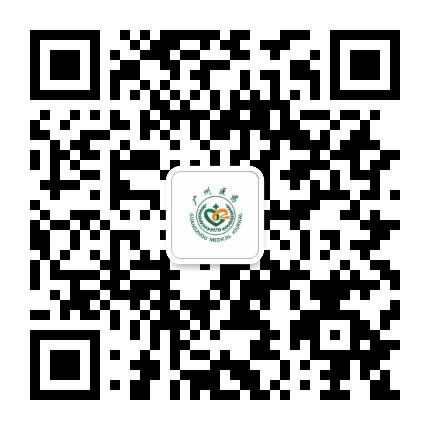
本刊官方微信服务号新增稿件状态查询服务,无需反复登录投稿系统,微信即可随时查看审稿进度、修回通知、录用结果,稿件更新实时推送提醒,同步接收期刊征稿、学术资讯。
微信搜索关注广州医药杂志服务号 → 点击菜单栏「绑定账号」→ 输入投稿邮箱完成账号关联;请关闭微信消息免打扰,避免遗漏稿件通知。
《广州医药》编辑部
近年来,人工智能技术(AI)的发展正在逐渐改变传统的医疗行业,机器学习作为人工智能技术中的主流被越来越多地应用于分析复杂的医学数据,为疾病的诊断、预后风险评估、诊疗决策的制定等方面提供了便利。文章对国内外机器学习算法在术后谵妄中的应用进行综述,以期为术后谵妄预测模型的构建提供新的思路,为临床早期评估术后谵妄提供新的依据。
In recent years,the development of artificial intelligence(AI)is gradually changing the traditional medical industry.Machine learning,as the mainstream of artificial intelligence technology,is increasingly applied to analyze complex data in medical research.It provides convenience for disease diagnosis,risk assessment and diagnosis and treatment decision making.This paper reviews the application of machine learning algorithms in postoperative delirium at home and abroad,in order to provide a new idea for the construction of postoperative delirium prediction model and a new basis for early clinical evaluation of postoperative delirium.