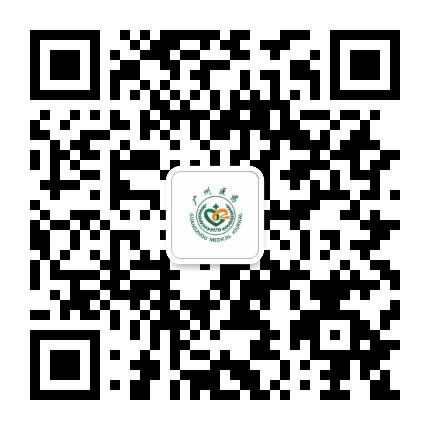
各位作者、审稿专家:
本刊官方微信服务号新增稿件状态查询服务,无需反复登录投稿系统,微信即可随时查看审稿进度、修回通知、录用结果,稿件更新实时推送提醒,同步接收期刊征稿、学术资讯。
微信搜索关注广州医药杂志服务号 → 点击菜单栏「绑定账号」→ 输入投稿邮箱完成账号关联;请关闭微信消息免打扰,避免遗漏稿件通知。
《广州医药》编辑部
目的 研究电针治疗对重性抑郁障碍患者的抑郁状态的影响。方法 本研究共分为3组,药物组、和药物+电针组及对照组(每组各50 例),药物组给予艾司西酞普兰抗抑郁治疗连续6周,药物+电针组在给予艾司西酞普兰抗抑郁治疗的基础上,进行电针治疗6周。比较治疗前后三组的HAMD 24 项评分,并对三组的HAMD 24 项评分与血清细胞炎症因子IL-1β、IL-2、IL-6、TNF-α水平进行相关性分析。采用多元逐步回归法,分析影响基线药物组和药物+电针组HAMD 24 项评分的主要因素。结果 与治疗前比较,药物组和药物+电针组患者治疗后HAMD 24 项评分均降低,差异有统计学意义(P<0.05或P<0.01),与药物组比较,治疗后药物+电针组HAMD 24 项评分较低,差异有统计学意义(P<0.05或P<0.01)。药物组HAMD 24 项评分与血清细胞炎症因子IL-6(r=0.335,P<0.001)、TNF-α(r=0.269,P<0.001)、IL-2(r=0.257,P=0.001)和IL-1β(r=0.205,P=0.021)呈正相关。药物+电针组HAMD24 项评分与血清细胞炎症因子IL-6(r=0.338,P<0.001)、TNF-α(r=0.271,P<0.001)、IL-2(r=0.255,P=0.015)和IL-1β呈正相关(r=0.208,P=0.026)。影响药物组HAMD24 项评分的主要因素有:血清细胞炎症因子IL-6、TNF-α、IL-1β、IL-2、婚姻(已婚)、文化程度(受教育年限少),标准化回归系数分别为0.585、0.516、0.452、0.318、-0.290、0.262(P<0.05或P<0.01)。影响药物+电针组HAMD24 项评分的主要因素有:血清细胞炎症因子IL-6、TNF-α、IL-2、IL-1β、婚姻(已婚)、文化程度(受教育年限少),标准化回归系数分别为0.592、0.521、0.448、0.323、-0.295、0.271(P<0.05或P<0.01)。结论 药物联合电针治疗能有效改善重性抑郁障碍患者的抑郁状态,细胞炎症因子与HAMD24 项评分相关,可影响重性抑郁障碍患者的抑郁状态。
Objective To explore the effect of electroacupuncture on patients with severe depression. Methods Patients was divided into three groups, acupuncture group, drug group and the control group. Each group had 50 patients. The drug group was treated with escitalopram for 6 weeks.The acupuncture group were treated with escitalopram and electroacupuncture for 6 weeks. We compared the HAMD24 among 3 groups before or after treatment. The correlation of the levels of IL-1 β, IL- 2, IL- 6, TNF-α and the total HAMD24 score among 3 groups were taken by the correlation analysis. And the main factors influencing the total HAMD24 score before the study were analyzed by the multiple inear step regression method. Results Compared with the pre-treatment group, the HAMD score of the drug group and the acupuncture group decreased after treatment, the difference was statistically significant (P<0.05 or P<0.01). Compared with the drug group, the HAMD score of the acupuncture group was lower after treatment; the difference was statistically significant (P<0.05 or P<0.01). The drug group, HAMD scores were positively correlated with IL- 6, TNF-α, IL- 2 and IL-1 β (r=0.335, 0.269, 0.257 and 0.205, respectively, P<0.05 or P<0.01). The acupuncture group HAMD scores were positively correlated with IL- 6, TNF-α, IL- 2 and IL-1 β(r=0.338, 0.271, 0.255 and 0.208, respectively, P<0.05 or P<0.01). The main factors influencing the HAMD score before the study included: serum cytokines IL- 6, TNF-α, IL β, IL- 2, marriage and education. The standardized regression coefficients were 0.585,- 0.516, 0.452, 0.318, 0.290, 0.262, respectively (P<0.05 or P<0.01). The main factors influencing the HAMD score of the drug group before the study included: serum cytokines IL- 6, TNF-α, IL β, IL- 2, marriage and education. The standardized regression coefficients were 0.585,- 0.516, 0.452, 0.318, 0.290, 0.262, respectively (P<0.05 or P<0.01). The main factors of the acupuncture group influencing the HAMD score before the study included: serum cytokines IL- 6, TNF-α, IL β, IL- 2, marriage and education. The standardized regression coefficients were 0.592,0.521,0.448,0.323,- 0.295,0.271(P<0.05 or P<0.01). Conclusion Escitalopram combination with electroacupuncture may improve the the depressive state. Inflammatory cytokines were associated with HAMD24 scores and it affects the depressive state of patients with major depressive disorder.
目的 探讨高频经颅磁刺激治疗对 PSD 伴失眠患者的抑郁情绪及睡眠质量的疗效。方法 对63例PSD患者随机分为联合组32例(10Hz高频rTMS+艾司西酞普兰)及药物组31例(艾司西酞普兰+假刺激),每周5次,共治疗4周。于治疗前及治疗后4周末分别对两组患者进行HAMD、PSQI评分及多导睡眠监测。。结果 rTMS 治疗前,2组HAMD、PSQI评分及睡眠参数比较均无差异;治疗后第4周末,两组HAMD评分、PSQI评分、总睡眠时间、睡眠效率及快眼动睡眠期比例均较治疗前改善;研究组HAMD评分下降幅度较对照组明显,而PSQI评分下降幅度及相关睡眠参数改善无差异。结论 高频rTMS治疗对PSD的抑郁症状疗效更明显,而对睡眠质量及睡眠结构的改善则与药物治疗疗效相当。
Objective To investigate the effect of high frequency transcranial magnetic stimulation on depression and sleep quality in poststroke depression patients with insomnia. Methods 63 patients with PSD were randomly divided into observation group (n=32)and control group (n=31). Both groups were treated by 10~20 mg escitalopram citalopram for 4 weeks. The patients in observation group also accepted 10 Hz rTMS 10 times (i.e., as a course), while the patients in control group were treated by sham stimulation. At the baseline and 4th week, the 17-item Hamilton depression scale (17-HAMD), Pittsburgh Sleep Quality Index (PSQI)and polysomnography (PSG)were evaluated. Results The sleep parameters, PSQI scores and HAMD scores among two groups had no significant difference at baseline. After 4 weeks treatment, the HAMD score, PSQI score, total sleep duration, sleep efficiency and proportion of rapid eye movement sleep in both groups were improved compared with those before treatment. The descend range of HAMD score in observation group was larger than that in control group (t=2.590,P=0.012), while the descend range of PSQI scores(t=0.897,P=0.373)and the change of the sleep parameters in the two group had no obvious difference. Conclusion High frequency rTMS has better curative effect than antidepressant therapy on depressive symptoms of PSD,while there was no difference on the effect to improve the sleep quality and sleep structure of PSD between these two treatments.
目的 检测抑郁障碍患者血清中IL-2和TNF-α水平,探讨IL-2和TNF-α水平与认知功能情况相关性。方法 采用酶联免疫吸附法(ELISA)检测100例抑郁障碍患者(观察组)和100例健康人(对照组)的血清IL-2、TNF-α的水平,并结合汉密尔顿抑郁量表(HAMD)观察患者抑郁障碍的严重程度,应用Loewenstein 认知评定量表评定患者的认知状态情况进行相关分析。结果 与对照组相比,观察组的IL-2、TNF-α的水平明显更高(P<0.05)。IL-2、TNF-α的水平与HAMD,LOTCA总分呈正相关(P<0.05)。结论 抑郁障碍患者血清中IL-2、TNF-α的水平与抑郁障碍患者的严重程度和认知状态情况呈正相关。
Objective To study the levels of serum IL-2 and TNF-α in depressed patients and theircorrelations with the cognitive function. Methods 100 depressed patients (observation group) and 100 healthy people (control group) were enrolled to this study and we compared their levels of serum IL-2 and TNF-α detected by enzyme-linked immunosorbent (ELISA) from two groups. The correlation analyses of the serum IL-2 and TNF-α levels with the severity of depression of depressed patients observed with Hamilton depression scale (HAMD), and the serum IL-2 and TNF-α levels with the cognitive function evaluated with Loewenstein were conducted. Results The levels of serum IL-2 and TNF-α in the observation group were significantly higher than control group (P<0.05).There were positive correlations between the levels of IL-2 and TNF-α and HAMD scores and between the levels of IL-2 and TNF-α and LOTCA scores (P<0.05). Conclusion The levels of serum IL-2 and TNF-α in the depressed patients were positively correlative with the severity of depression and their cognitive function.